
Where the Waiting Rooms Went
Where the Waiting Rooms Went
During the coldest weeks of winter,
the city’s idea of safety started to shift.
Hospitals, which had previously existed in the category of
Places Where People Go When They Need Help,
had acquired a second identity:
Places Where People Might Be Waiting.
Federal agents seemed to materialize in hospital parking lots
like migratory birds that had lost their sense of season.
And in response, many patients simply stopped coming in.
One week: crowded rooms, crying babies,
cough syrup commercials on the TV.
The next?
Chairs staring at each other like abandoned witnesses.
Kids who came every winter with lungs
that whistled like bent trumpets,
they all just stopped showing up.
Asthma visits vanished.
Prenatal checkups dissolved.
Vaccination numbers fell so quickly
a few epidemiologists started using the word
“cliff.”
The official explanation was fear,
which is true in the way gravity is true when you fall off a roof.
But fear doesn’t explain the way
a whole city
can quietly reroute its body.
Fear is weather. This was migration.
This felt like families starting to do the math:
Hospital + parking lot + federal agents
=
maybe today isn’t the day we risk it.
Bodies quietly redrawing their maps of survival,
steering away from the buildings that had once promised care.
Eventually this realization spread
the way frost spreads across a windshield.
And the people in medicine understood they had a problem.
Because the whole system --
the clinics, the charts, the bright fluorescent rooms --
had been designed around a single belief:
that sickness would walk through the door.
But the doors were open only to ghosts.
The sick had stopped coming.
The rooms where people were waiting had moved elsewhere.
I met a nurse named Melody.
She told me that some mornings
she would open the clinic schedule
and watch the cancellations stack themselves into a red column
tall enough to resemble a barcode.
“It felt,” she said, “like the whole city had started being scanned.”
Missed appointments everywhere.
Every name another kid.
Another pregnancy.
Another cough that might be nothing
or might be something that shouldn’t wait.
This is how the
clandestine medical infrastructure
started to emerge.
Some people would come to call it "the network",
though this was misleading because it implied structure --
meetings, leadership, a Google calendar somewhere
with the words UNDERGROUND MEDICAL RESISTANCE
typed in Arial 11.
There was no such thing. There were just people.
And it started the way most songs start.
Somebody started to hum:
A pediatrician texted a friend.
A nurse mentioned a patient who was too afraid to come to the hospital.
A pharmacist quietly set aside antibiotics that someone else might need.
Small sounds. One note at a time.
What Melody did each evening was
both simple and deeply illegal
in the way that kindness sometimes becomes
when laws are written by people who will never have to test them.
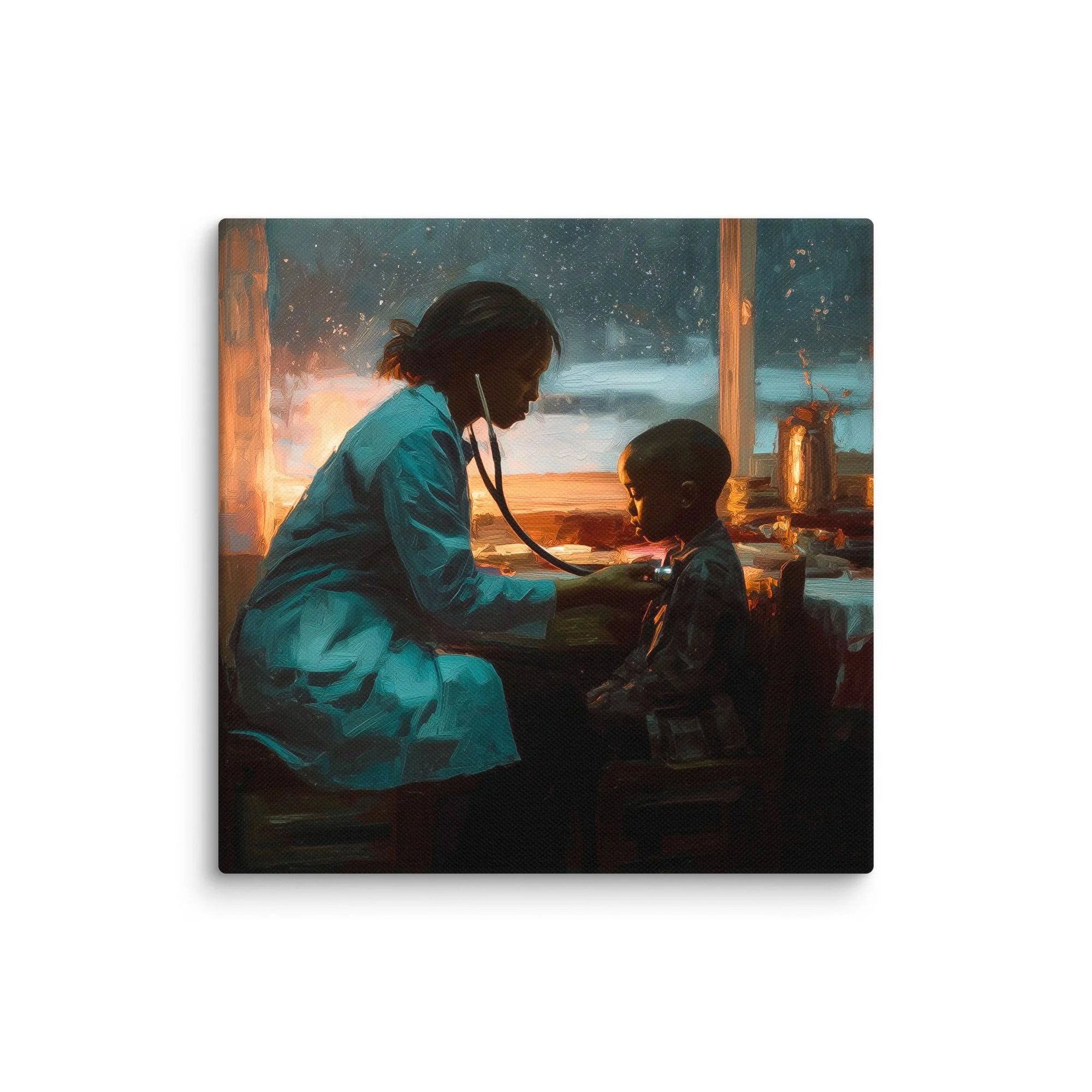
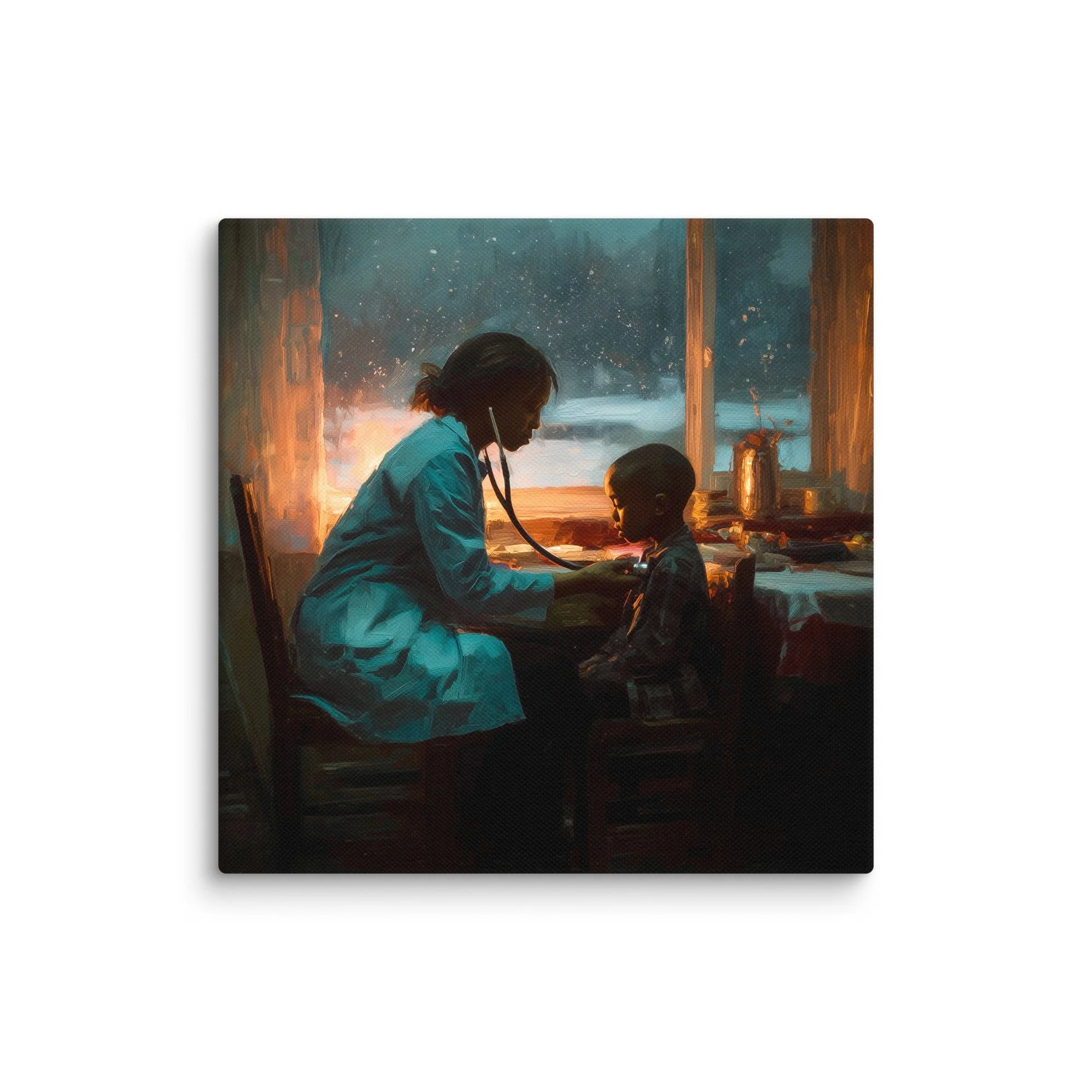
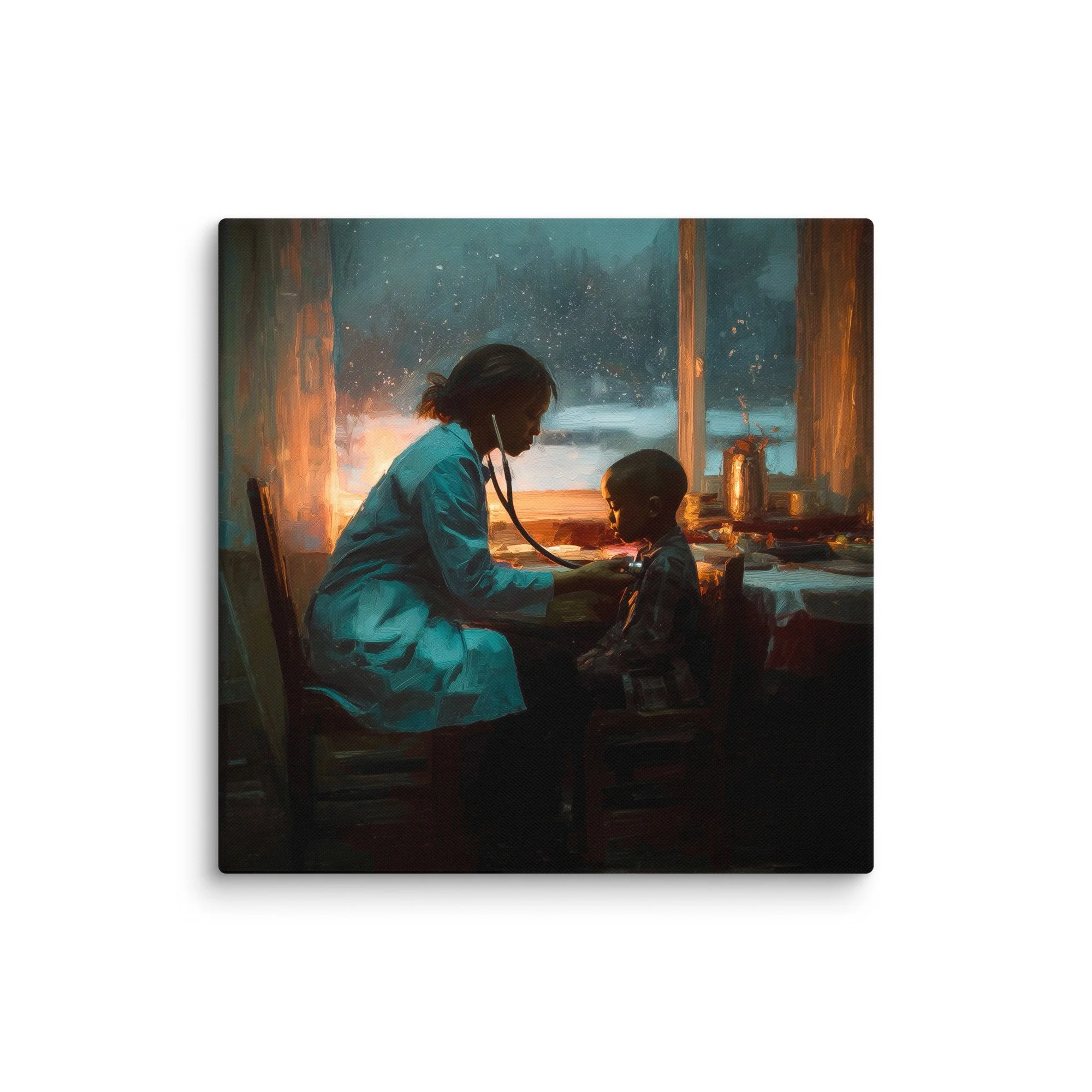
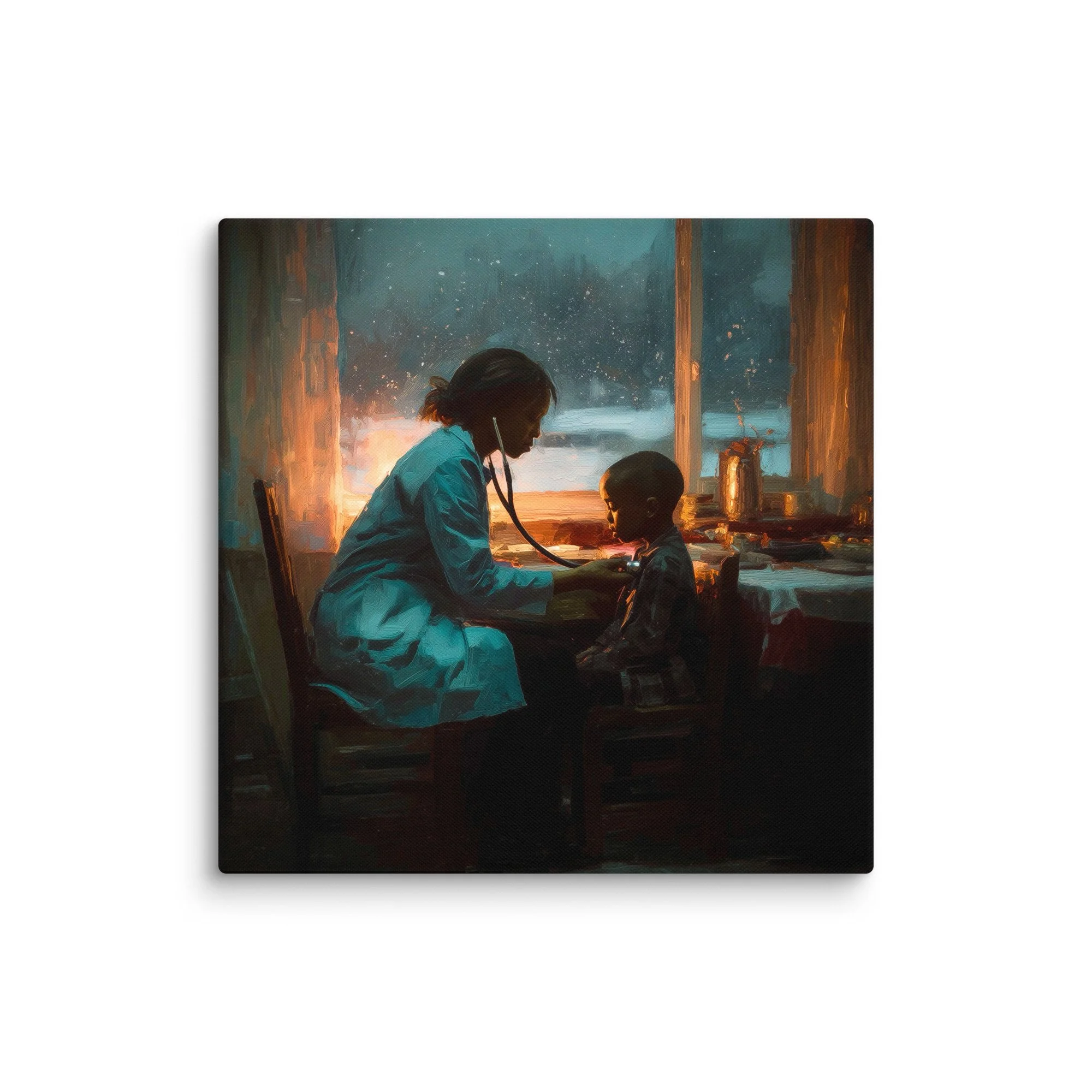
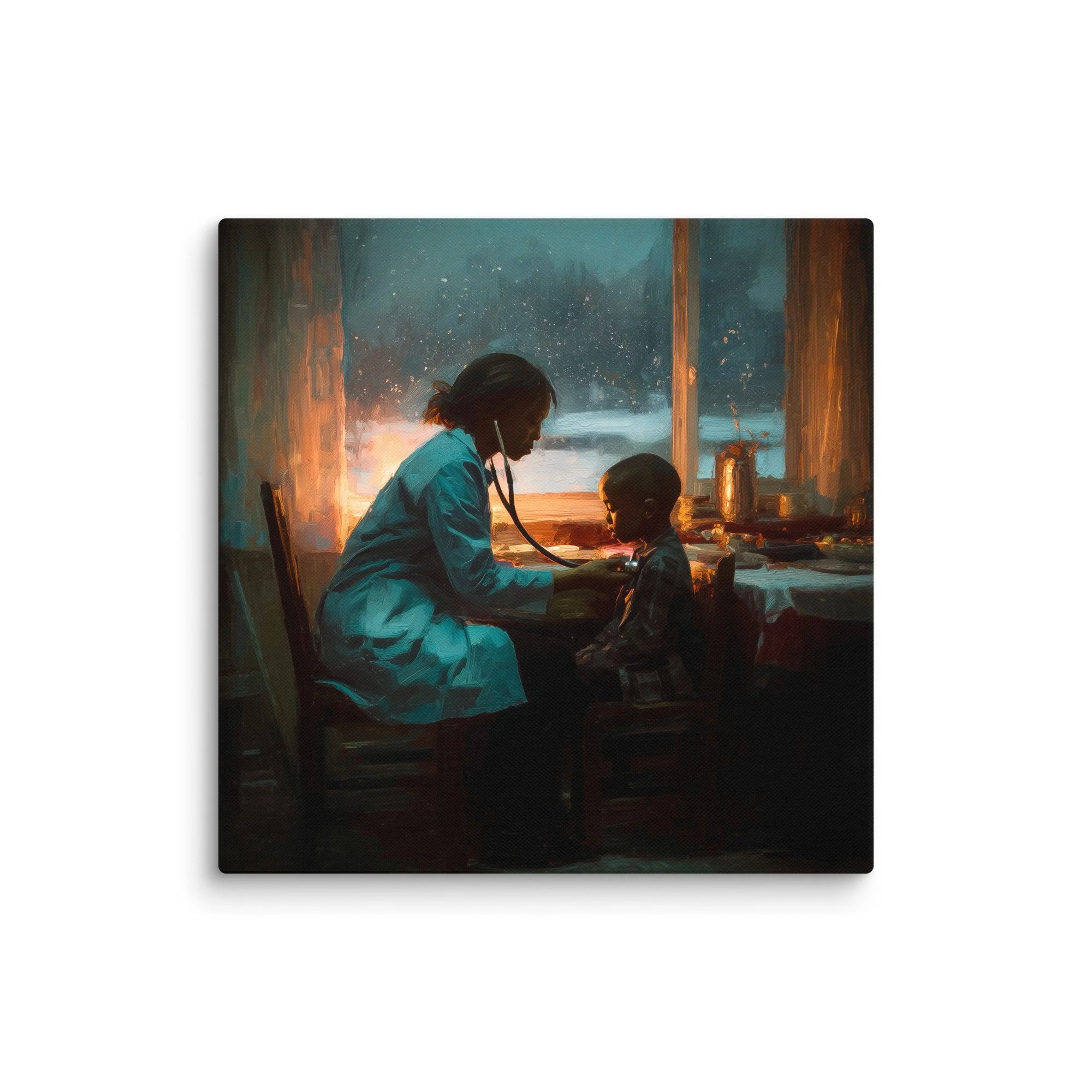
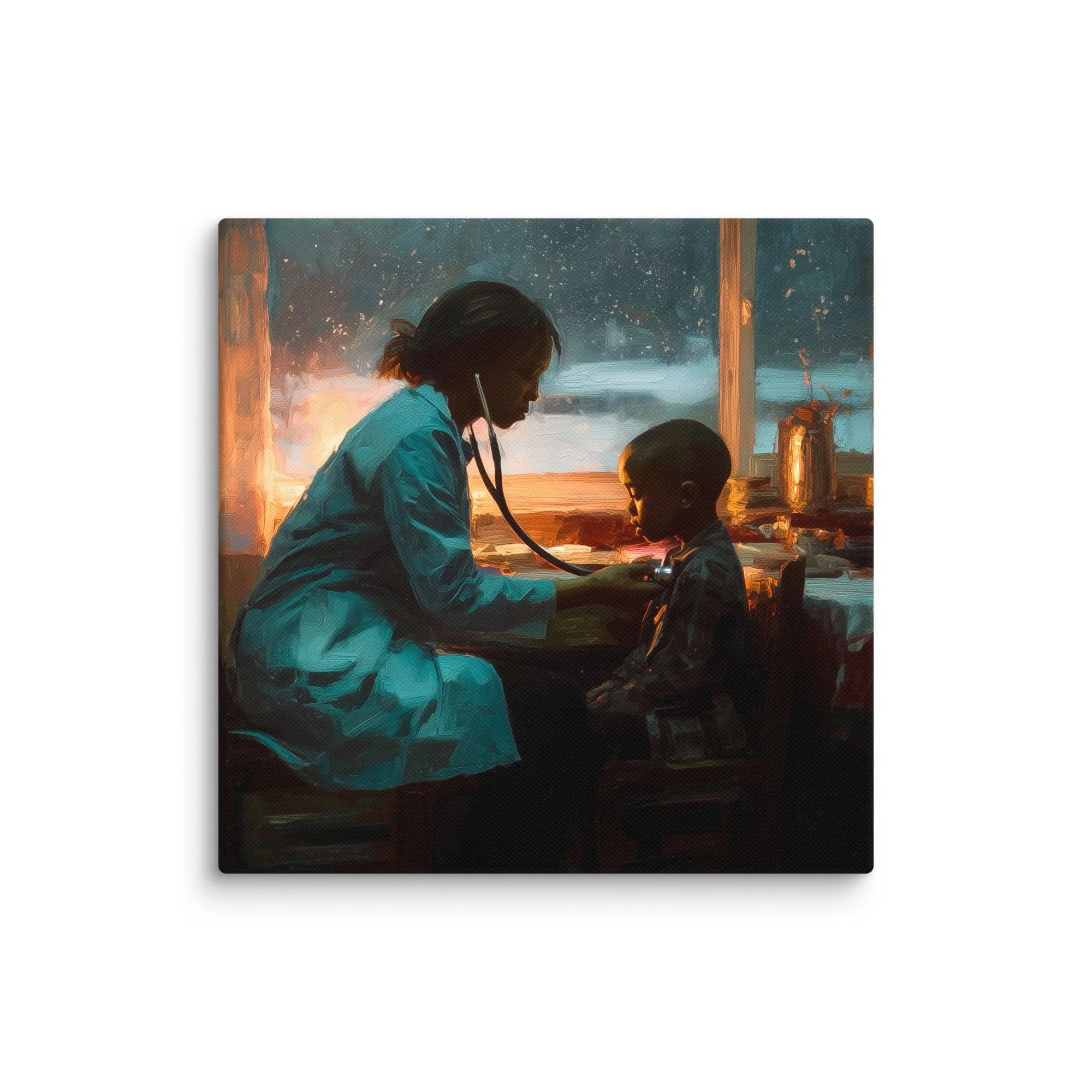
She took her show on the road and went into homes.
Apartments above grocery stores.
Duplexes with snow piled against the steps.
Basements that smelled like laundry soap and wet boots.
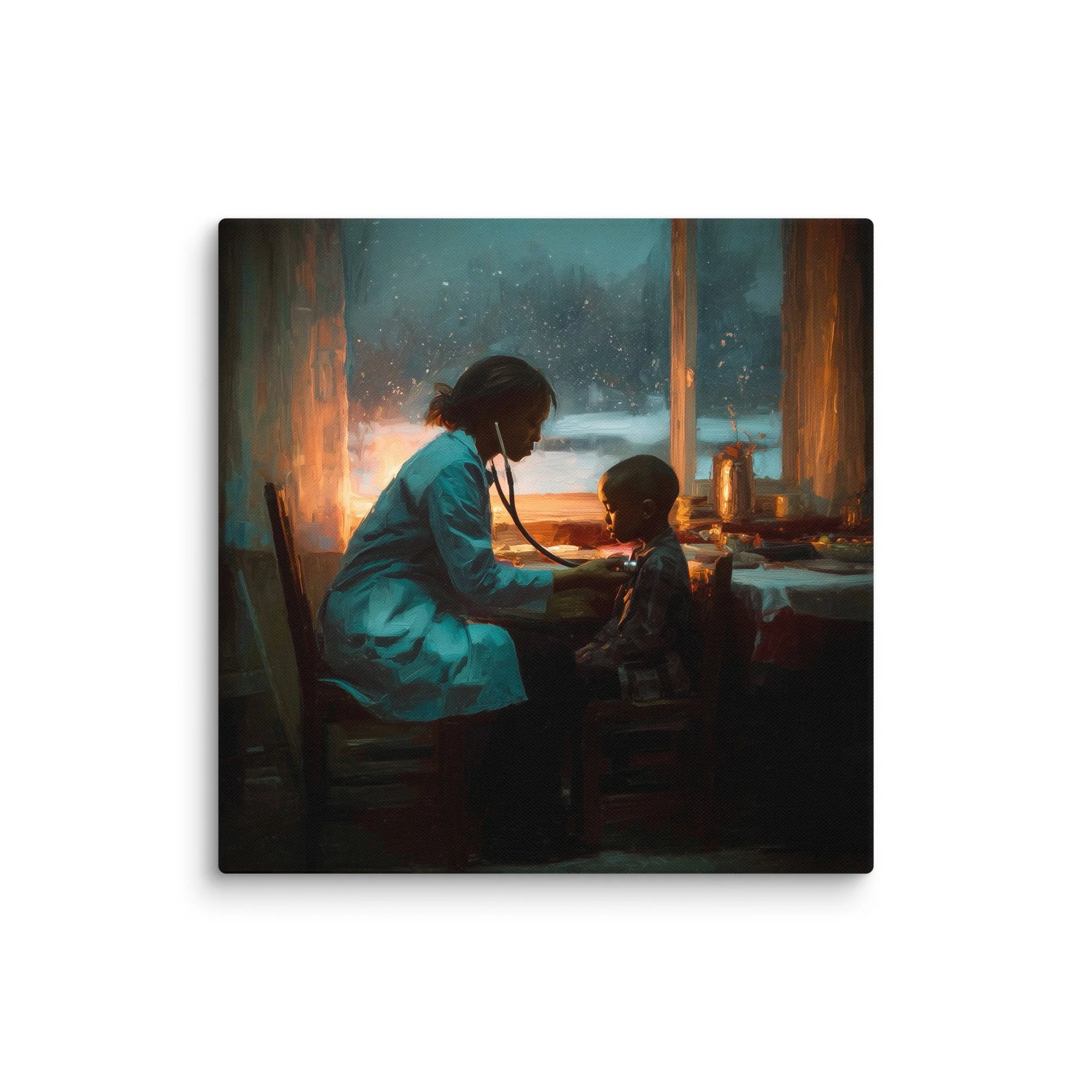
Kitchen tables became exam rooms.
She listened to lungs beside bowls of soup.
Checked blood sugar next to grocery lists.
Explained fevers while toddlers leaned against her leg.
And all the while,
the network continued assembling itself across the city.
A physician in Powderhorn.
A midwife in Cedar-Riverside.
Two medical students who carried
blood pressure cuffs in their winter coats.
A dentist who offered antibiotics through a side door.
No one ever formally declared its existence.
But if you looked carefully you could see the pattern forming.
All that medicine refusing to stay put.
So many of our hurting were now being helped
because of miracles like Melody —
a name given to her by a mother
who believed music could change the shape of a life.
Melody: the quiet belief that separate notes,
placed carefully beside each other,
can become something larger than the sum of their vibrations.
And as a witness, in this cold winter, I'm happy to tell you
that that is exactly what happened.
Every purchase helps support "Stand With Minnesota" and community mutual aid across the Twin Cities. Thank you for being in our collective corner.
Every purchase helps support "Stand With Minnesota" and community mutual aid across the Twin Cities. Thank you for being in our collective corner.
• 1.25″ (3.18 cm) thick poly-cotton blend canvas
• Canvas fabric weight: 10.15 +/- 0.74 oz./yd.² (344 g/m² +/- 25g/m²)
• Fade-resistant
• Hand-stretched over solid wood stretcher bars
• Mounting brackets included
• Blank product sourced from the US, Canada, Europe, UK, or Australia
This product is made especially for you as soon as you place an order, which is why it takes us a bit longer to deliver it to you. Making products on demand instead of in bulk helps reduce overproduction, so thank you for making thoughtful purchasing decisions!